There’s a conversation we avoid because it’s uncomfortable – especially when it’s about our own people.
We talk a lot about reconciliation, Indigenous rights, and the need to correct historic and ongoing injustices. We should. Those frameworks exist because the harm is real, and because Nations need protection, recognition, and power over our lands, laws, and futures.
But there’s another truth that needs to be said plainly:
Not everything done “in the name of culture” is cultural.
Not everything done “in the name of reconciliation” is ethical.
And not every claim wrapped in Indigenous rights language is being made in good faith.
Rights are collective. Greed is individual.
Indigenous rights frameworks are meant to protect Nations and communities – our collective dignity, our collective jurisdiction, our collective future.
When someone uses that language primarily to avoid responsibility – especially financial responsibility, rules, or agreements they knowingly entered – that’s not liberation. That’s opportunism.
And it creates collateral damage:
It undermines legitimate rights-based advocacy.
It fuels public cynicism (“they’re just using it to get out of things”).
It drags cultural language into spaces where it becomes a tool instead of a teaching.
Accountability is part of culture, not separate from it
In many of our teachings, accountability isn’t optional. It’s relational. It’s how you maintain trust with your community and your neighbours. It’s how you show respect.
If you’ve harmed a relationship, you repair it.
If you’ve benefited from a system, you don’t pretend you were forced into it.
If you’ve made commitments, you don’t wait until consequences show up and then claim exemption.
Yes – life happens. People struggled. Systems failed people. All of that can be true at the same time.
But hardship doesn’t erase responsibility. It changes how we respond – with compassion, with proportionality, with solutions. It doesn’t turn avoidance into virtue.
The ethical line: intent + behaviour + reciprocity
So where do ethics start and stop?
They start with intent: are you acting for community benefit or personal escape?
They continue with behaviour: have you shown consistent responsibility over time?
And they’re proven through reciprocity: have you given back, contributed, repaired, and carried your share?
If the answer is no – if the pattern is “take, damage, refuse, then claim culture when cornered” – that’s not culture. That’s using culture.
A standard I’m willing to stand on
I don’t believe in tearing people down for sport. I don’t believe in public shaming as a hobby.
But I do believe we need a standard.
Because if we don’t protect the meaning of our words, someone else will redefine them for us – or we’ll hollow them out ourselves.
Culture is not a costume we put on when we need sympathy.
Reconciliation is not a strategy to dodge consequences.
And rights are not a personal bargaining chip.
They are responsibilities.
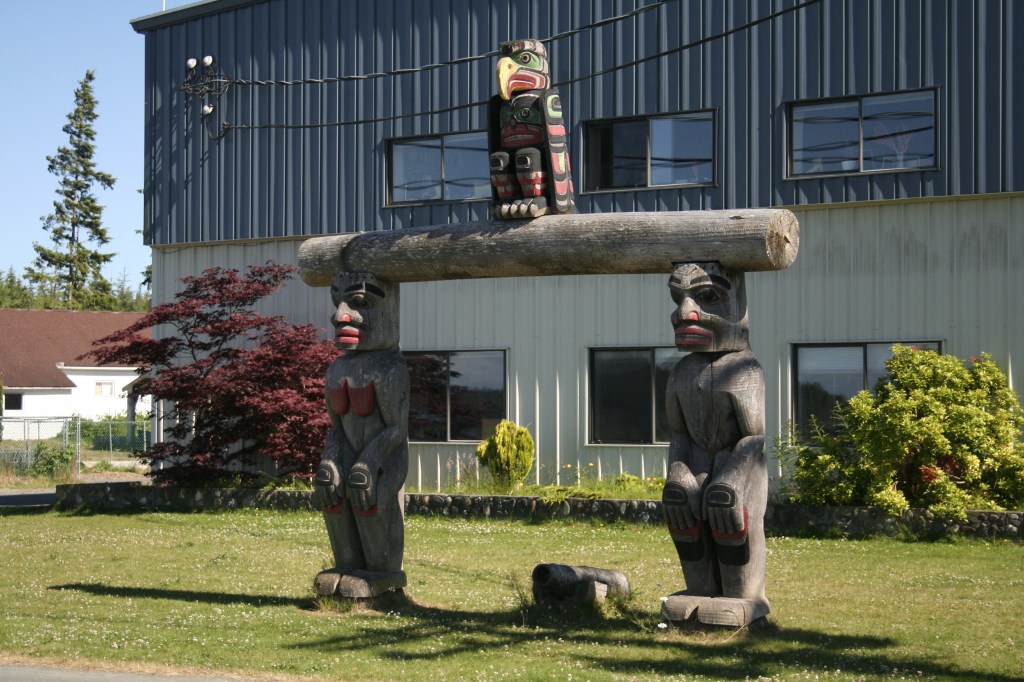
Coming to you from the Village of Tsaxis in the traditional, unceded territory of the Kwakiutl First Nation

Hello,
I’m Michelle

Welcome to site, my cozy corner of the internet dedicated to all things indigenous. Here, I invite you to join me on a journey of conversations and sharing.
Let’s connect
Join the fun!
Stay updated with our latest tutorials and ideas by joining our newsletter.


 My Indigenous Life
Leave a comment