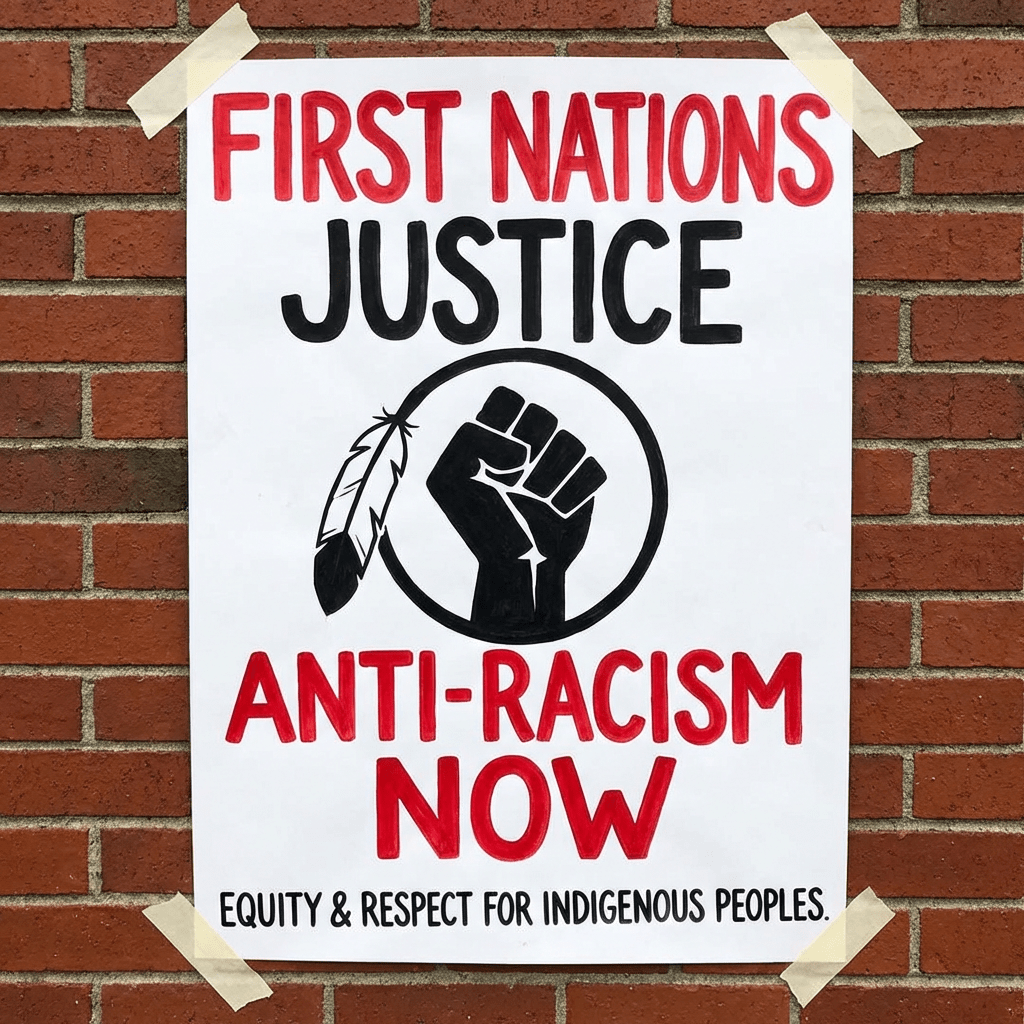
A First Nations Perspective
Today is International Day for the Elimination of Racial Discrimination, but for First Nations people, racial discrimination is not something we acknowledge for one day and move on from. It is something our people have lived through, fought against, and carried for generations.
Racism against First Nations people is not just found in individual acts of ignorance or prejudice. It is embedded in systems that have long devalued our lives, dismissed our voices, and treated our communities as though we should accept less. It exists in healthcare when our people are not believed or are treated with contempt. It exists in education when our histories are minimized or distorted. It exists in child welfare, in policing, in leadership spaces, in workplaces, and in the daily assumptions made about who we are.
This is not accidental. It is the ongoing legacy of colonization. It comes from policies and structures that were designed to remove us from our lands, weaken our governance, silence our languages, and break the continuity of our cultures. The harm did not end when those policies became less visible. Their effects are still with us in the inequities our people face, in the grief our families carry, and in the constant burden of having to prove our worth, our truth, and our humanity.
Too often, days like this are met with carefully worded statements that sound respectful but ask nothing of anyone. That is not enough. If racial discrimination is going to be eliminated, then people must be willing to confront the truth about how deeply it is woven into the systems around us. They must be willing to name it clearly, challenge it directly, and stop protecting the comfort of institutions over the dignity of human beings.
First Nations people should not still be fighting to be treated with basic respect. We should not have to keep explaining why racism in healthcare, justice, education, and governance is unacceptable. We should not have to keep carrying the emotional and political weight of demanding fairness from systems that were never built to serve us equally.
And still, in spite of all of it, First Nations people continue to lead, protect, rebuild, and endure. We continue to carry our teachings, defend our communities, honour our ancestors, and make space for future generations to stand stronger than the ones before them. Our strength does not erase the harm, but it does speak to the resilience that colonization and racism have never managed to destroy.
The elimination of racial discrimination requires more than awareness. It requires courage, accountability, and action. It requires institutions to change, not just apologize. It requires people to speak when it is uncomfortable, to listen when it is difficult, and to stop treating Indigenous justice as something optional or political.
Today should be more than a date on the calendar. It should be a challenge to every system, every leader, and every person who claims to believe in equality. First Nations people deserve more than acknowledgment. We deserve justice, dignity, safety, and respect without condition.
Anything less is not reconciliation. It is avoidance.
Respectful comments and thoughtful reflection are welcome.


 My Indigenous Life
Leave a comment